
Is This a Dental Emergency? When You Should Seek Immediate Care
Source:
Dr. Marketing
A tooth starts throbbing late at night. A filling breaks while you are eating. Your child falls and damages a front tooth. Your gums suddenly swell around a painful tooth.
The first question is usually not, “What is this?”
It is “Can this wait?”
Some dental problems are uncomfortable but can safely be assessed during a regular appointment. Others can become more difficult to treat when care is delayed. Knowing the difference can help you decide when to contact an emergency dentist and what to do while you are waiting to be seen.
At All Smiles Dentistry in Lake Jackson, we encourage patients to contact us when they are unsure about a sudden dental problem. A quick conversation about your symptoms can help determine how urgently you should be evaluated.
When Does a Dental Problem Become an Emergency?

Pain alone does not always tell you how serious a dental problem is.
A small chip may look alarming but cause little discomfort. Meanwhile, an infection developing beneath a tooth may initially be less visible but require prompt attention.
In general, a dental problem deserves urgent evaluation when there is significant pain, uncontrolled bleeding, facial or gum swelling, trauma, signs of infection, or a risk of losing a tooth.
The key question is whether waiting could allow the condition to worsen.
If you are debating whether your symptoms are “bad enough” to call, contacting our office is usually better than trying to diagnose the problem yourself.
A Toothache That Will Not Settle Down

Not every toothache requires emergency treatment, but persistent or severe dental pain should not be ignored.
A tooth can hurt for many reasons, including decay, a crack, an infection, inflammation inside the tooth, or a problem involving the surrounding gums. Pain that keeps you awake, interferes with eating, becomes stronger, or continues despite basic pain management deserves attention.
You should also pay attention to what accompanies the toothache.
Swelling, a bad taste in the mouth, tenderness when biting, fever, or a pimple-like bump on the gums may indicate that something more than temporary sensitivity is occurring.
Pain is your warning sign. Treating the underlying cause is more important than repeatedly trying to quiet the symptom.
Tooth Pain Getting Harder to Ignore?
You do not have to wait for severe pain before calling. If a toothache is persistent or getting worse, contact All Smiles Dentistry in Lake Jackson to find out how soon it should be evaluated.
Swelling Can Change the Level of Urgency
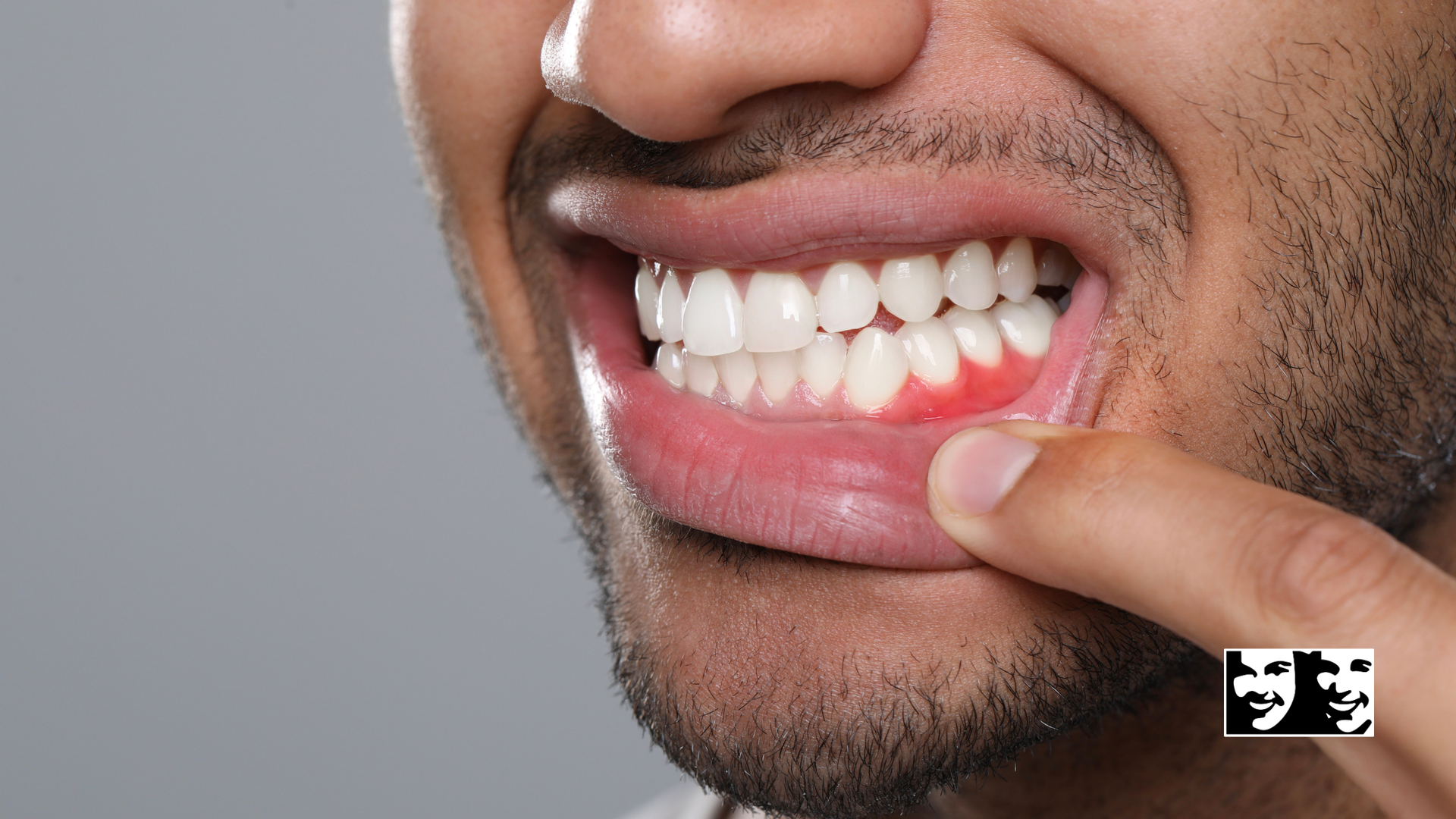
A swollen gum around one tooth may indicate localized inflammation or infection. Swelling that begins spreading into the cheek, jaw, or face deserves more immediate attention.
Dental infections can sometimes extend beyond the tooth and surrounding tissues. This is why rapidly increasing swelling should not be treated as something to simply “watch for a few days.”
If swelling is accompanied by fever, increasing pain, or feeling generally unwell, seek prompt professional advice.
Difficulty breathing or swallowing, significant swelling affecting the face or neck, or other potentially life-threatening symptoms require emergency medical care rather than waiting for a routine dental appointment.
Knowing this distinction matters. An emergency dentist can manage many urgent oral health problems, but symptoms affecting the airway or suggesting a serious spreading infection may require hospital-level care.
A Knocked-Out Tooth Is a Race Against Time
Few dental emergencies are as time-sensitive as a permanent tooth that has been completely knocked out. If this happens, act quickly.
Pick up the tooth by the crown, which is the part normally visible in the mouth. Avoid touching the root. If it is dirty, gently rinse it without scrubbing or removing attached tissue.
For an adult permanent tooth, prompt professional guidance is important because the possibility of successfully replanting the tooth decreases as it remains outside the mouth.
A knocked-out baby tooth should not be placed back into the socket, since doing so can damage the developing permanent tooth underneath. Whether the injury involves an adult or child, call our office so you know what to do next.
What About a Chipped or Broken Tooth?

A tiny chip and a tooth that has fractured deeply are very different situations.
Small chips without pain may not require same-day emergency treatment, although they should still be examined. A larger fracture may expose deeper parts of the tooth and cause significant sensitivity or pain. Contact us promptly if:
- A large piece of the tooth has broken away
- The tooth is very painful or sensitive
- There is bleeding around the damaged tooth
- The tooth feels loose after an injury
- You can see a deeper red, pink, yellow, or dark area inside the fracture
If you can find the broken piece, keep it and bring it to the appointment.
Even when a fractured tooth does not hurt much, an examination can reveal whether the damage extends farther than what you can see.
Broke a Tooth? Let Us Know What Happened
The size of the fracture, your symptoms, and whether an injury occurred can all affect how quickly you should be seen. Call All Smiles Dentistry in Lake Jackson so our team can help determine the appropriate next step.
A Lost Filling or Crown: Emergency or Inconvenience?
You bite into lunch and suddenly realize your crown is no longer on your tooth.
It can certainly feel like an emergency, but the urgency depends on what is happening underneath.
A lost filling or crown should be assessed because the exposed tooth may be sensitive and more vulnerable to further damage. If you are comfortable and the tooth is intact, the situation may not require immediate after-hours treatment.
However, significant pain, a fractured tooth beneath the restoration, swelling, or signs of infection can make the situation more urgent.
Avoid chewing hard or sticky foods on that side until the tooth has been evaluated. Do not use household glue to reattach a crown.
Call our dental office, explain what came off and what you are feeling, and let our team advise you on timing.
Bleeding That Does Not Stop Needs Attention
A small amount of bleeding can occur after certain dental procedures or minor injuries. Persistent or heavy bleeding is different.
If your mouth continues bleeding despite following the pressure and postoperative instructions given by our team, contact our office.
Bleeding after a significant injury should also be evaluated promptly, particularly when accompanied by a loose tooth, deep cut, or suspected jaw injury.
If bleeding is severe, cannot be controlled, or is associated with major facial trauma, seek emergency medical care.
What Can Usually Wait for a Regular Appointment?
Not every unexpected dental issue requires emergency care.
Minor sensitivity, a small painless chip, mild gum irritation, a slightly rough filling, or a cosmetic concern can often wait for a scheduled appointment.
But “not an emergency” does not mean “ignore it indefinitely.”
A small problem can still become larger over time. The goal is to schedule care according to the seriousness of the condition rather than waiting until pain forces you to act.
When you call All Smiles Dentistry in Lake Jackson, describe when the problem started, how severe the discomfort is, whether there is swelling or bleeding, and whether an injury occurred. Those details can help our team determine how quickly you should be assessed.
When in Doubt, Make the Call

Dental emergencies rarely arrive at convenient times, and it is not always obvious which symptoms need prompt care.
Severe or worsening tooth pain, facial swelling, dental infections, knocked-out permanent teeth, significant fractures, uncontrolled bleeding, and dental trauma are all reasons to seek prompt professional advice.
Other problems may be able to wait for a regular appointment, but you should not have to make that decision based on guesswork.
If you are experiencing an urgent dental problem in Lake Jackson, contact All Smiles Dentistry in Lake Jackson. Tell us what happened and what symptoms you are experiencing so we can help determine the appropriate next step and arrange care when needed.