
Considering a Single Tooth Implant? Here is What You Should Know

Source:
Dr. Marketing
Losing a tooth rarely happens at a convenient time.
For some people, it is the result of an accident. For others, it may be due to decay, infection, or a tooth that could no longer be saved. Once the tooth is gone and the initial concern has passed, many patients assume they can simply adapt to the empty space and move on.
After all, it is only one tooth.
You can still smile. You can still chew. Life goes on.
What many people do not realize is that a missing tooth often begins affecting the rest of the mouth long before obvious problems appear. The space may seem harmless today, but changes can quietly start taking place beneath the surface. This is one reason why dental implants have become one of the most trusted options for replacing missing teeth. They do more than fill a gap. They help restore function, preserve oral health, and support the long-term stability of your smile.
At All Smiles Dentistry in Lake Jackson, patients frequently ask what the implant process actually involves. Understanding the journey from planning to placement can make the experience feel far less intimidating and much easier to navigate.
Why a Missing Tooth Does Not Stay "Just One Missing Tooth"
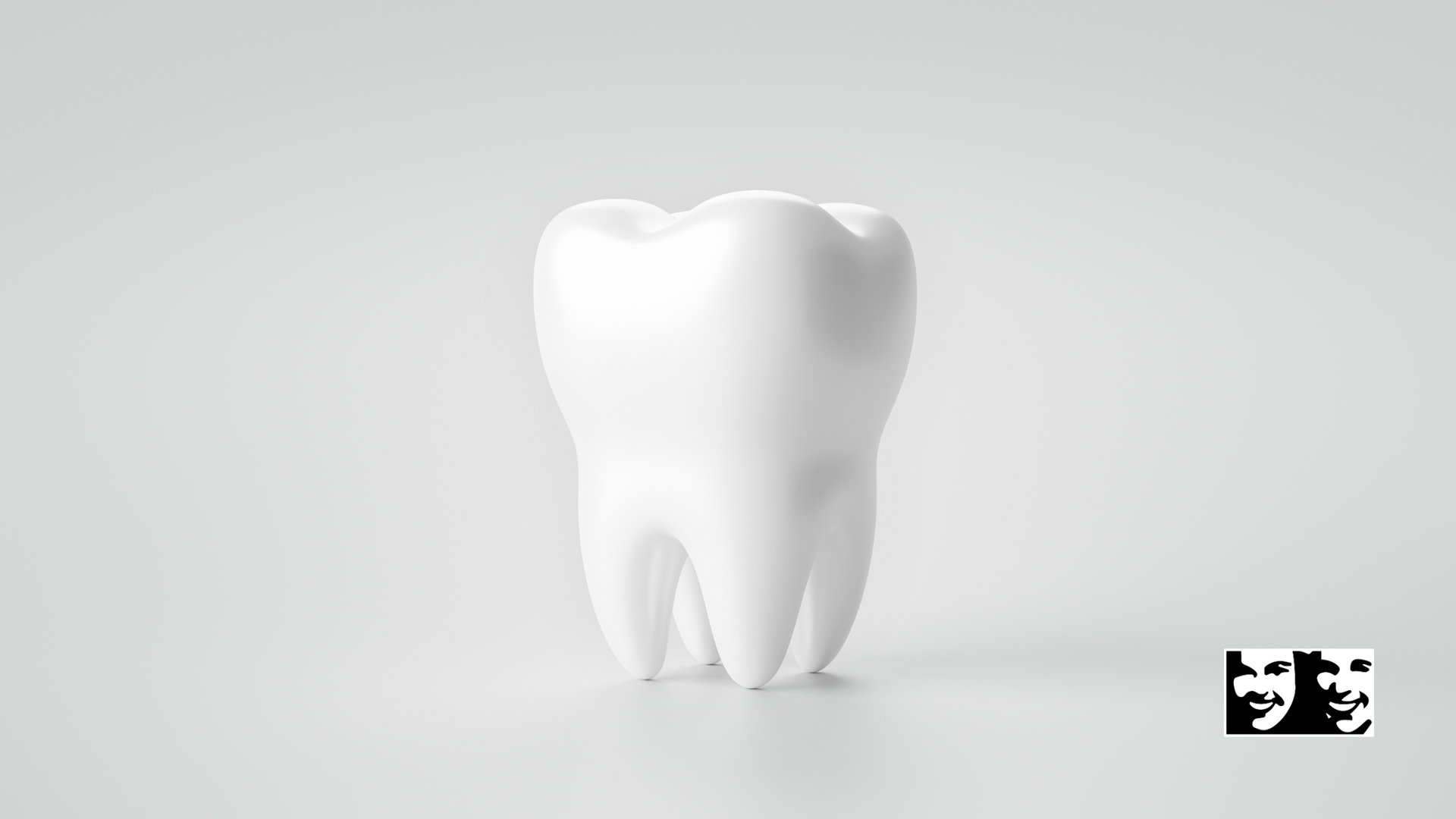
The mouth is designed to work as a complete system. Every tooth has a purpose, and when one is lost, the surrounding structures often begin to adapt.
The neighboring teeth may gradually drift toward the empty space. The opposing tooth can begin shifting because it no longer has a matching surface to bite against. Even the jawbone underneath the missing tooth starts to change. Natural tooth roots stimulate the jawbone every day when you chew. Once a tooth is removed, that stimulation disappears. Over time, the bone in that area may begin to shrink.
These changes do not happen overnight, which is why many patients do not notice them initially. However, waiting too long can sometimes make future treatment more complex. At All Smiles Dentistry in Lake Jackson, we often encourage patients to schedule an implant consultation sooner rather than later. Early evaluation helps us determine whether the bone and surrounding structures remain ideal for implant placement.
The Most Important Part of Implant Treatment Happens Before Surgery

When patients think about dental implants, they usually picture the day the implant is placed.
In reality, the most important stage often happens beforehand. Successful implant treatment starts with careful planning. Before any treatment begins, your dentist evaluates the health of your gums, surrounding teeth, jawbone, and bite. Advanced imaging allows the implant site to be viewed in detail, helping identify factors that could affect long-term success.
This planning stage is also when many patient questions are answered.
Is there enough bone?
Will additional treatment be needed?
How long will the process take?
What will the final result look like?
A consultation at All Smiles Dentistry in Lake Jackson allows us to answer these questions while developing a treatment plan tailored specifically to your smile.
Why Some Patients Need Bone Grafting, and Others Do Not
One of the biggest surprises for many implant patients is learning that bone plays such an important role in treatment.
Dental implants rely on the jawbone for support. Just as a house requires a strong foundation, an implant requires adequate bone volume and density. Some patients have plenty of healthy bone available and can move directly to implant placement. Others may benefit from bone grafting before an implant can be placed safely.
This recommendation is not a setback. It is often a proactive step that helps improve the long-term success and stability of the implant.
The amount of bone present depends on several factors, including how long the tooth has been missing and the condition of the surrounding area. This is why personalized planning is so important.
Implant Placement Is Often Easier Than Patients Expect
For many people, the word "surgery" creates the most anxiety.
Interestingly, many implant patients tell us afterward that the procedure was far easier than they anticipated.
The implant itself is a small titanium post that is carefully placed into the jawbone where the missing tooth root once existed. Local anesthesia is used to keep the area comfortable throughout the procedure. Most patients experience some tenderness or swelling afterward, but these effects are generally temporary and manageable. In many cases, patients return to their normal routines relatively quickly.
Understanding what to expect often helps reduce fear. The reality is that modern implant dentistry is highly planned, precise, and focused on patient comfort.
The Waiting Period Has an Important Purpose

One of the most common questions patients ask is:
"Why does the process take so long?"
The answer lies in what happens after the implant is placed.
Over the next several months, the jawbone gradually bonds with the titanium implant through a process called osseointegration. During this time, the implant becomes securely anchored within the bone, creating the strong foundation needed to support the final restoration. While waiting may require patience, this healing period is one of the reasons implants are known for their exceptional stability and longevity.
Rather than simply sitting on top of the gums, the implant becomes integrated into the jaw itself, functioning much like a natural tooth root.
The Day Everything Comes Together

For many patients, the most exciting stage arrives when the final crown is placed.
After months of planning and healing, the visible portion of the replacement tooth is finally attached to the implant. The crown is custom-designed to match the shape, size, and color of the surrounding teeth, allowing it to blend naturally into the smile.
This is often the moment when treatment feels complete.
The gap is gone.
Chewing feels more balanced.
The smile feels whole again.
Many patients describe this stage as more than simply replacing a tooth. It is the moment they stop thinking about the missing tooth altogether.
Why Dental Implants Remain the Gold Standard for Single Tooth Replacement
There are several options available for replacing a missing tooth, but dental implants continue to be one of the most predictable and long-lasting solutions.
Unlike traditional bridges, implants do not rely on neighboring teeth for support. They help preserve jawbone health, function independently, and are designed to mimic the role of a natural tooth root.
Most importantly, they address both the visible and hidden consequences of tooth loss.
A dental implant is not simply about replacing what is missing today. It is about protecting the health and stability of the smile for years to come.
More Than Replacing a Tooth

A missing tooth may seem like a small issue at first, but the effects often extend far beyond the visible gap.
From preserving bone and maintaining bite function to restoring confidence and comfort, every stage of the implant process serves an important purpose. Understanding that journey helps patients make informed decisions about their oral health.
If you are missing a tooth and wondering whether a dental implant is right for you, consider scheduling a consultation at All Smiles Dentistry in Lake Jackson. A personalized evaluation can help determine your options and create a treatment plan designed to restore both your smile and your long-term oral health.