Sleep and Oral Health: Why Your Teeth May Suffer While You Sleep
Source: Dr. Marketing
Most people know that maintaining good oral hygiene, brushing, flossing, and regular dental checkups play a critical role in keeping teeth and gums healthy. However, fewer people realize that the quality of their sleep can significantly affect their oral health as well. At first glance, sleep and dental health may not seem connected, but they are more intertwined than you might think. Conditions like sleep apnea and teeth grinding (bruxism) can lead to serious sleep-related oral health issues if left untreated.
In this post, we’ll explore how your sleep habits impact your teeth and overall oral health, and how seeking dental treatment can improve your sleep quality and well-being.
Sleep Apnea and Dental Health
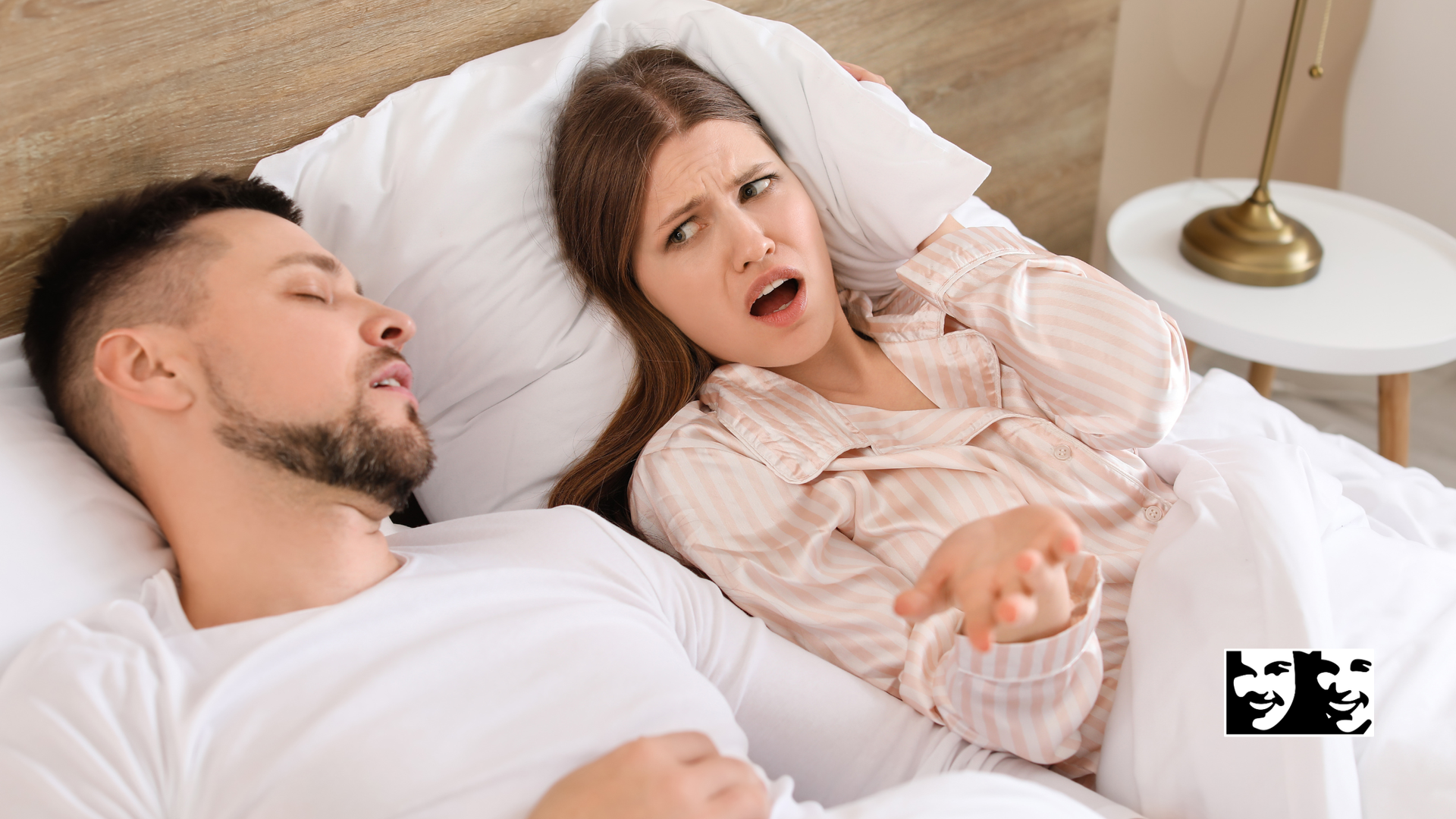
Sleep apnea is a condition where a person’s breathing is interrupted repeatedly throughout the night, leading to poor sleep quality and various health issues. Obstructive sleep apnea (OSA), the most common form, occurs when the muscles at the back of the throat relax too much, blocking the airway. Not only can this condition lead to fatigue, irritability, and an increased risk of heart disease and diabetes, but it also impacts oral health in several ways.
How Sleep Apnea Affects Your Teeth and Gums
Dry Mouth During Sleep
People with sleep apnea often breathe through their mouth while sleeping, leading to chronic dry mouth. Saliva plays an important role in neutralizing acids and washing away food particles and bacteria. When your mouth is dry, your teeth are more susceptible to cavities, gum disease, and bad breath.
Teeth Grinding (Bruxism)
Many people with sleep apnea grind their teeth at night. This sleep-related teeth grinding can lead to worn-down teeth, cracked enamel, jaw pain, and other oral issues. Bruxism is a common symptom of sleep apnea, particularly for those with untreated cases.
Gum Disease
Studies suggest a connection between sleep apnea and an increased risk of periodontal (gum) disease. Chronic inflammation caused by untreated sleep apnea may contribute to the development of gum disease.
Dental Solutions for Sleep Apnea
If you suspect you have sleep apnea, your dentist can help by providing oral appliances designed to keep your airway open. Oral appliances for sleep apnea, such as mandibular advancement devices (MADs), help reposition the lower jaw, allowing you to breathe better while sleeping. This not only improves sleep quality but also reduces dry mouth and teeth grinding, protecting your teeth and gums in the process.
Bruxism: The Silent Threat to Your Teeth
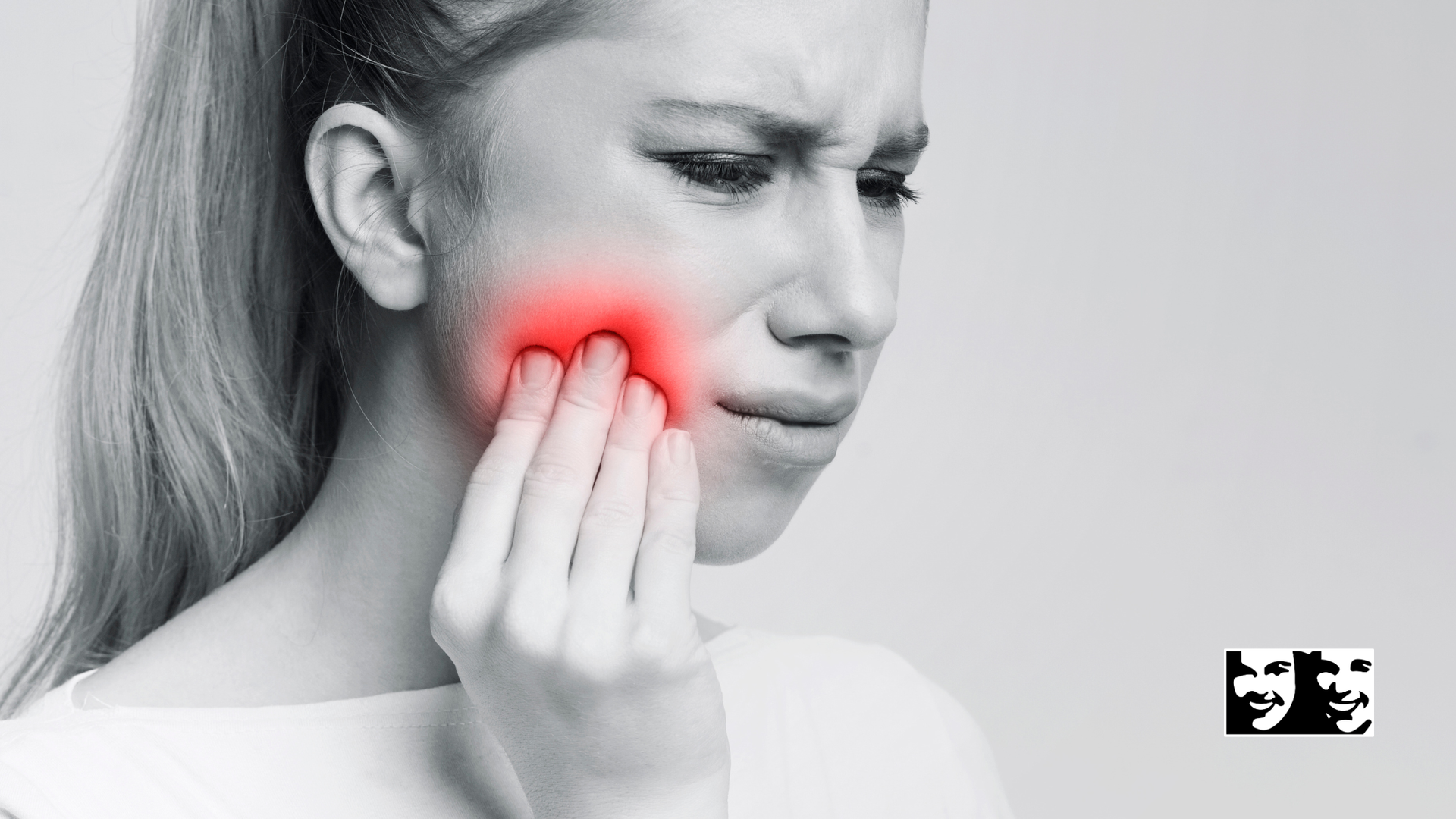
Bruxism, or teeth grinding at night, is another sleep-related oral health issue that can significantly damage your teeth. Many people grind their teeth while sleeping without realizing it, and over time, this can cause serious dental problems, including:
Worn-down Teeth
Constant grinding of the teeth can wear down enamel, leading to tooth sensitivity and a higher risk of cavities.
Cracked or Chipped Teeth
Severe bruxism can cause cracked or chipped teeth, which may require restorative procedures like crowns or fillings.
Jaw Pain and TMJ Disorders
Grinding your teeth at night can put stress on your jaw muscles, leading to TMJ (temporomandibular joint) disorders. This condition can cause pain, difficulty chewing, and headaches.
How to Manage Bruxism
If you suffer from bruxism, our team at All Smiles Dentistry in Lake Jackson can provide a custom-fitted nightguard for teeth grinding. These nightguards create a barrier between your upper and lower teeth, preventing damage from grinding. Wearing a nightguard also helps reduce jaw pain and the risk of developing TMJ disorders.
The Role of Stress in Sleep and Oral Health

Another factor that links sleep and oral health is stress. High levels of stress can lead to sleep disorders like insomnia or bruxism, which, in turn, negatively impact your teeth. Stress can also contribute to poor oral hygiene habits, such as neglecting to brush and floss regularly, which can worsen sleep-related oral health issues.
Chronic stress can also weaken your immune system, making it harder for your body to fight off infections, including gum disease. Research suggests that stress-induced sleep disorders may increase the risk of gingivitis and periodontitis, both of which can lead to tooth loss if left untreated.
Breaking the Stress-Sleep Cycle
Managing stress through relaxation techniques, such as yoga or meditation, can help improve both sleep quality and oral health. Maintaining a consistent sleep schedule can also aid in reducing stress and enhancing sleep, which will benefit your teeth in the long run. Combining stress management with good oral hygiene practices, brushing, flossing, and visiting our dentists in Lake Jackson regularly, can help prevent the harmful effects of stress on your oral health.
Improving Sleep and Oral Health
To enhance both your sleep quality and oral health, consider taking these steps:
Consult with our Dentists
If you think you might have sleep apnea or bruxism, schedule a visit with our dentists at
All Smiles Dentistry in Lake Jackson. They can recommend a solution, such as oral appliances for sleep apnea or a nightguard, that will improve your sleep and protect your teeth.
Stay Hydrated
Drinking water throughout the day can help prevent dry mouth during sleep. A humidifier in your bedroom may also help maintain moisture in the air while you sleep.
Adopt a Consistent Sleep Routine
Going to bed and waking up at the same time each day can improve sleep quality. Good sleep supports better oral health.
Practice Good Oral Hygiene
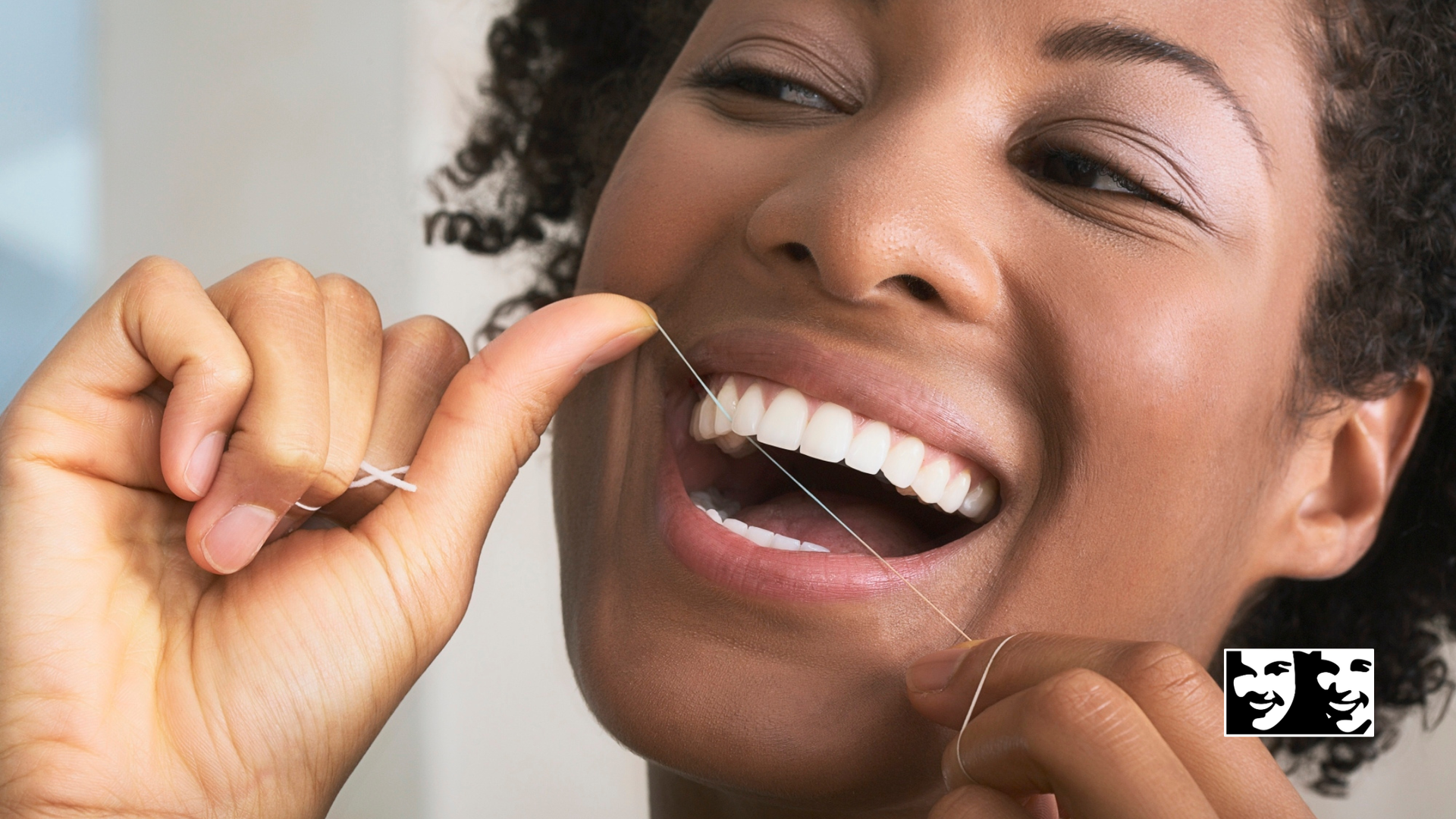
Brushing twice a day, flossing daily, and attending regular dental checkups can help prevent cavities, gum disease, and other oral issues associated with poor sleep.
Manage Stress
Reducing stress through relaxation techniques can improve both your sleep and your dental health by lowering your risk of bruxism and gum disease.

Your sleep and oral health are more connected than you might think. Conditions like sleep apnea and bruxism can lead to significant damage to your teeth and gums if left untreated. Fortunately, dental professionals can offer solutions like oral appliances for sleep apnea and nightguards for teeth grinding to improve your sleep quality and protect your teeth.
At All Smiles Dentistry in Lake Jackson, we are committed to helping you achieve optimal health through personalized dental care. If you are experiencing any sleep-related dental issues, contact us today to learn more about how we can help you protect your teeth and get a better night’s sleep!